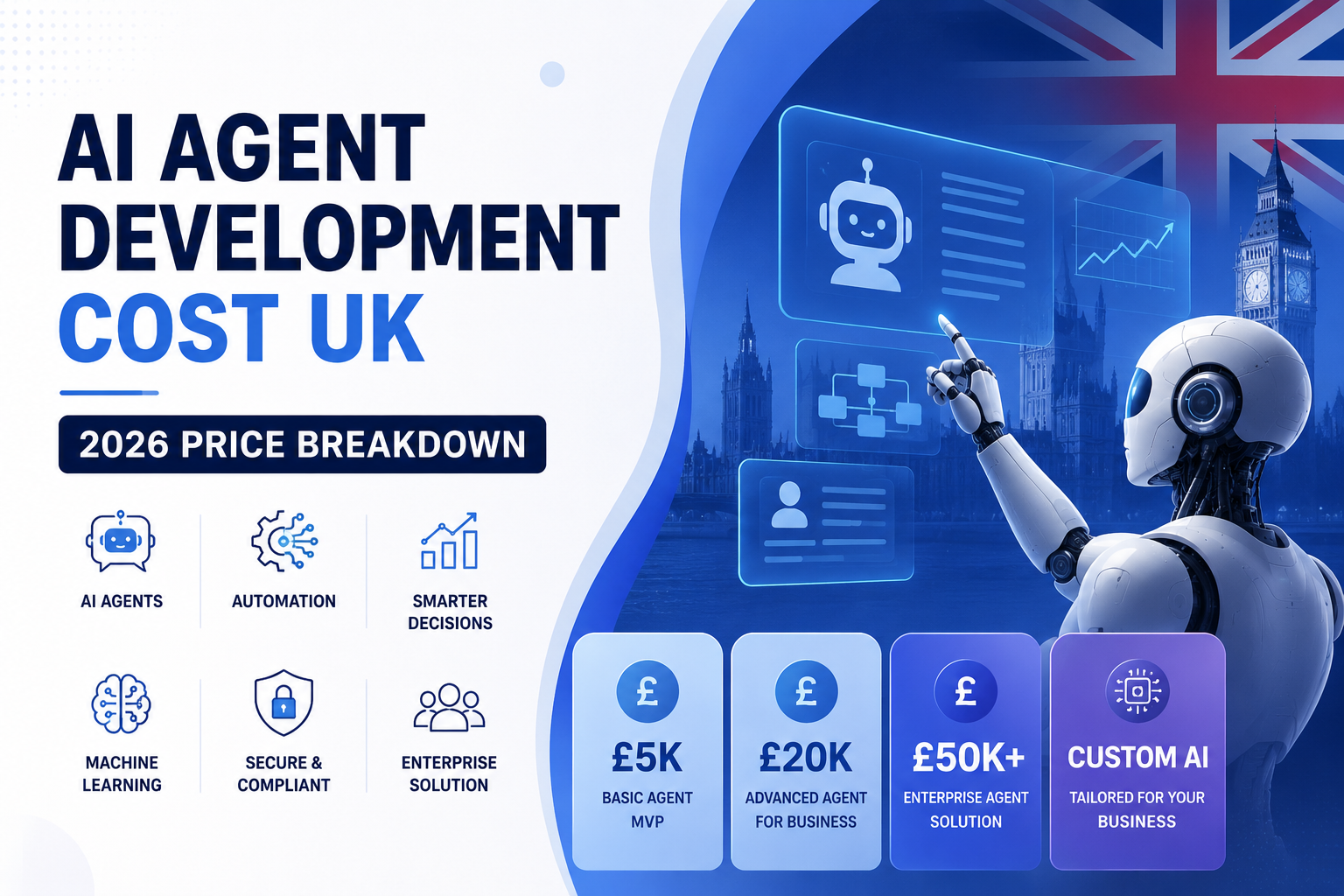
An AI agent is software that uses a large language model as its "brain" to pursue a goal reasoning about what to do, using tools and APIs to act, and adapting based on results. Where a chatbot responds, an agent does: it can look something up, update a record, send a message, call another system, and decide the next step.
Every September, the world's consumer technology industry converges on Berlin. IFA the Internationale Funkausstellung is where the biggest brands, boldest startups and most influential retail buyers reveal what's coming next, often before it reaches the shops. For 2026, the show marks its 102nd edition, and after a 2025 run that drew around 220,000 visitors from 140 countries, the 2026 event is shaping up to be one of the most AI-defined yet.
India has long been spoken of as the world's next major AI infrastructure market. In June 2026, that conversation became concrete. Meta Platforms — the company behind Facebook, Instagram, and WhatsApp — signed its first major data centre agreement in India, partnering with Reliance Industries, the country's largest conglomerate, to build a 168 megawatt AI-enabled facility in Jamnagar, Gujarat.
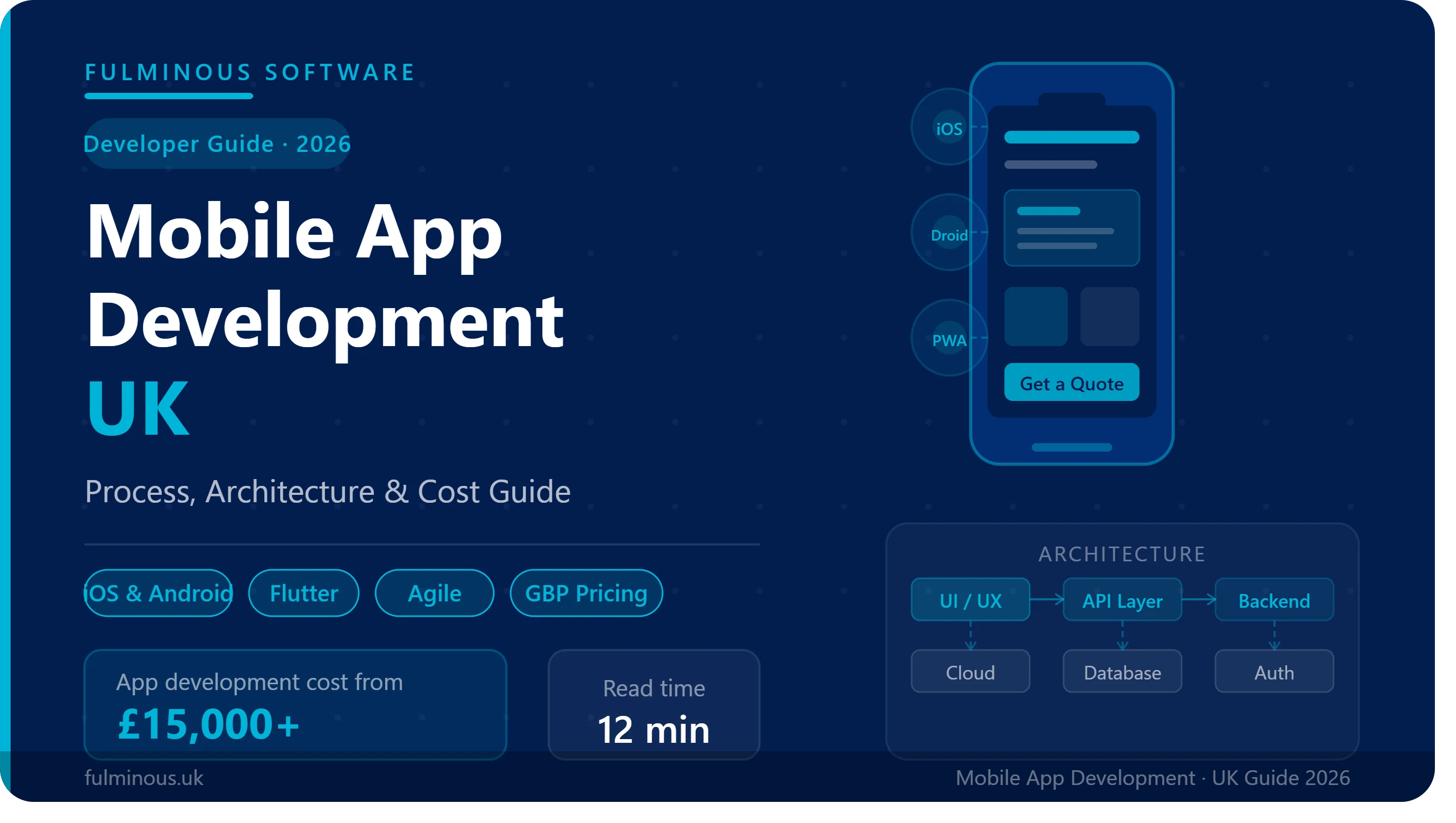
Mobile app development is one of the most searched - and most misunderstood - technology investments for UK businesses. Two agencies can look at the same project brief and return quotes of £25,000 and £200,000. Both can be entirely legitimate, because they are proposing fundamentally different solutions, teams, timelines, and approaches. Understanding why those numbers differ is what separates businesses that get excellent mobile apps for a fair price from those that overpay, underspecify, or end up with something that does not work.
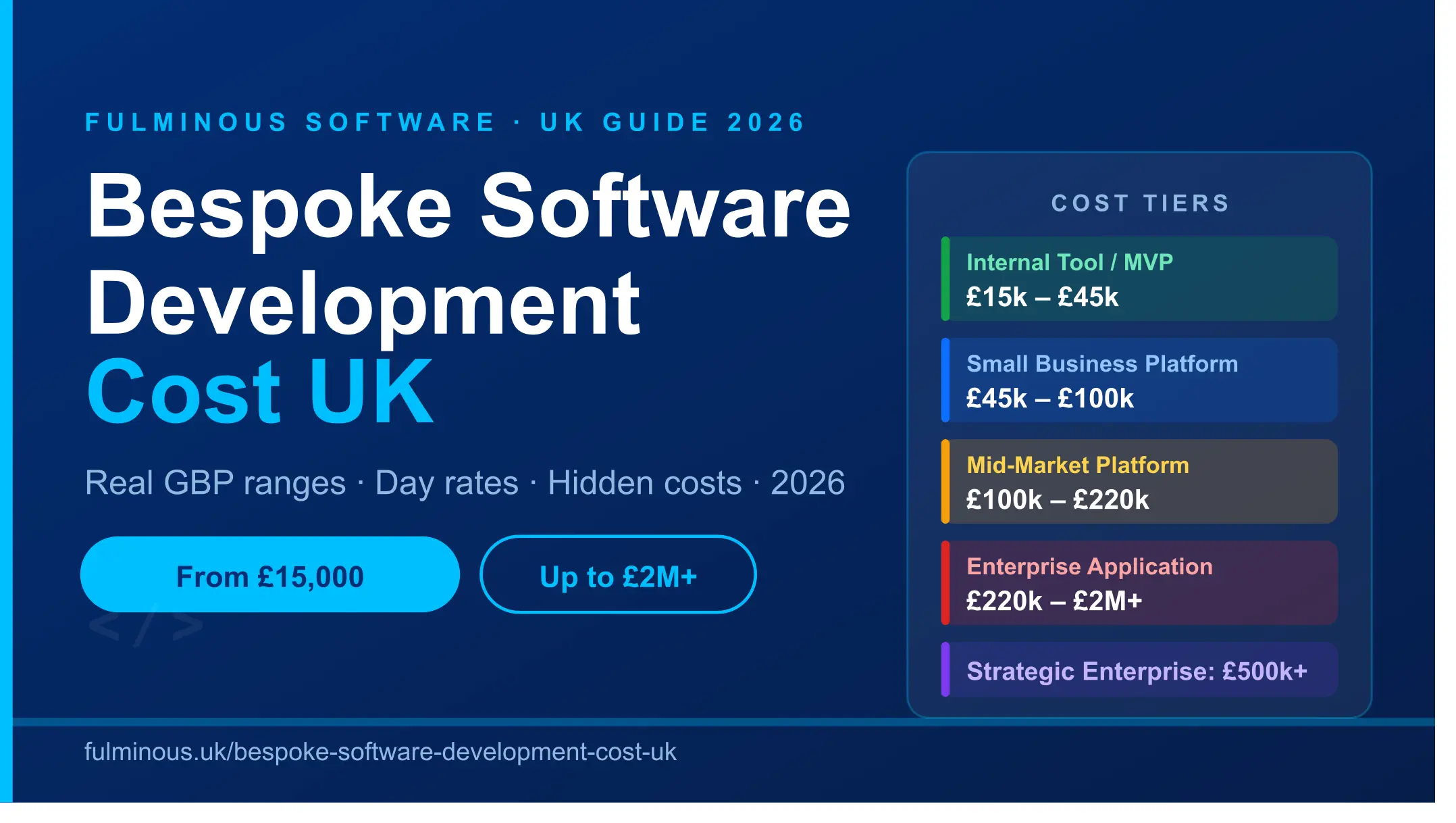
Bespoke software is one of the UK's most searched - and most misunderstood - technology investments. Two agencies can look at the same brief and return quotes of £30,000 and £200,000. Both can be entirely legitimate, because they are proposing fundamentally different solutions, teams, and approaches. Understanding why those numbers differ is what separates businesses that get excellent bespoke software for a fair price from those that overpay, underspecify, or end up with something that doesn't work.
Custom software is a significant investment. It's also one of the most opaque purchases a UK business will ever make. Two agencies can look at the same brief and quote £40,000 and £180,000 — and both can be technically correct, because they're proposing fundamentally different solutions. The skill is knowing what you actually need, what you're paying for, and what should make you walk away from a quote.
WordPress powers over 43 percent of all websites globally. It is the default starting point for millions of UK businesses building an online presence. And for a large proportion of those businesses, it is entirely the right choice.
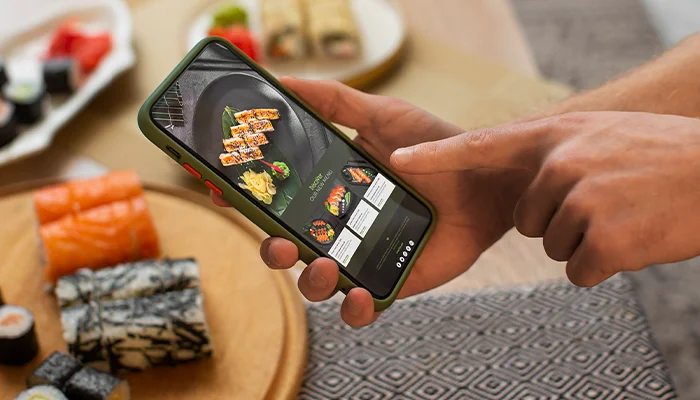
The UK food delivery market is worth over £14 billion and has grown nearly 87 percent since 2019. More than 80 percent of food delivery orders are now placed through mobile apps. The three dominant platforms Just Eat, Deliveroo, and Uber Eats collectively process billions of orders every year. And yet, UK restaurants and independent operators are more motivated than ever to build their own platforms.
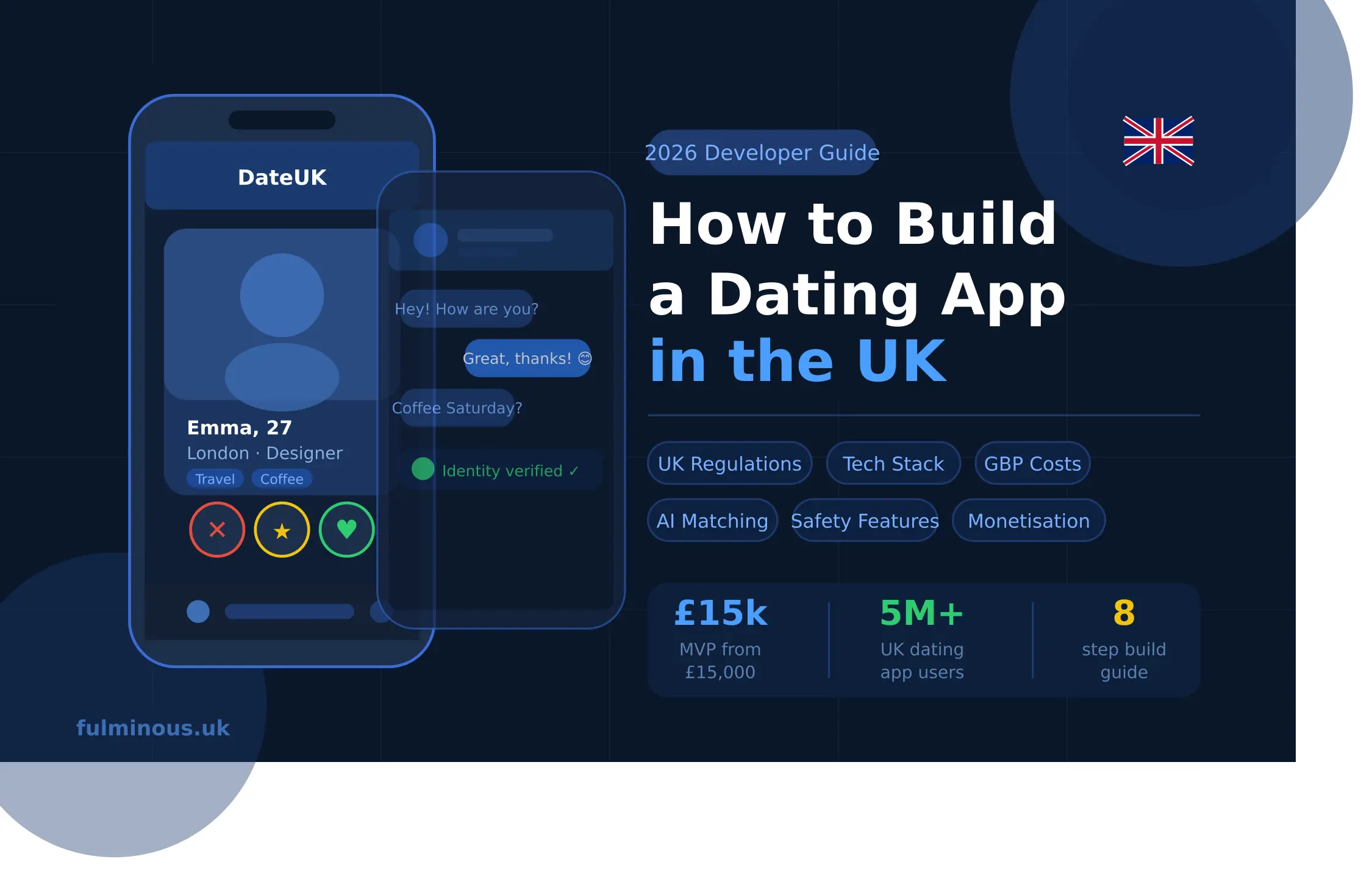
The UK is one of the most active dating app markets in the world. 5 million UK users are on Tinder alone. Hinge is the fastest-growing platform in London, Manchester, Bristol, Edinburgh, and Leeds. Bumble has strong penetration among UK professionals aged 25 to 40. And despite the dominance of these major platforms, new UK dating apps are launching and growing successfully every year.
View blogs by category